Who Do You Want to Become in 2026?
Who Do You Want to Become in 2026?
1. Picture Your Future Self
Close your eyes and imagine December 31, 2026.
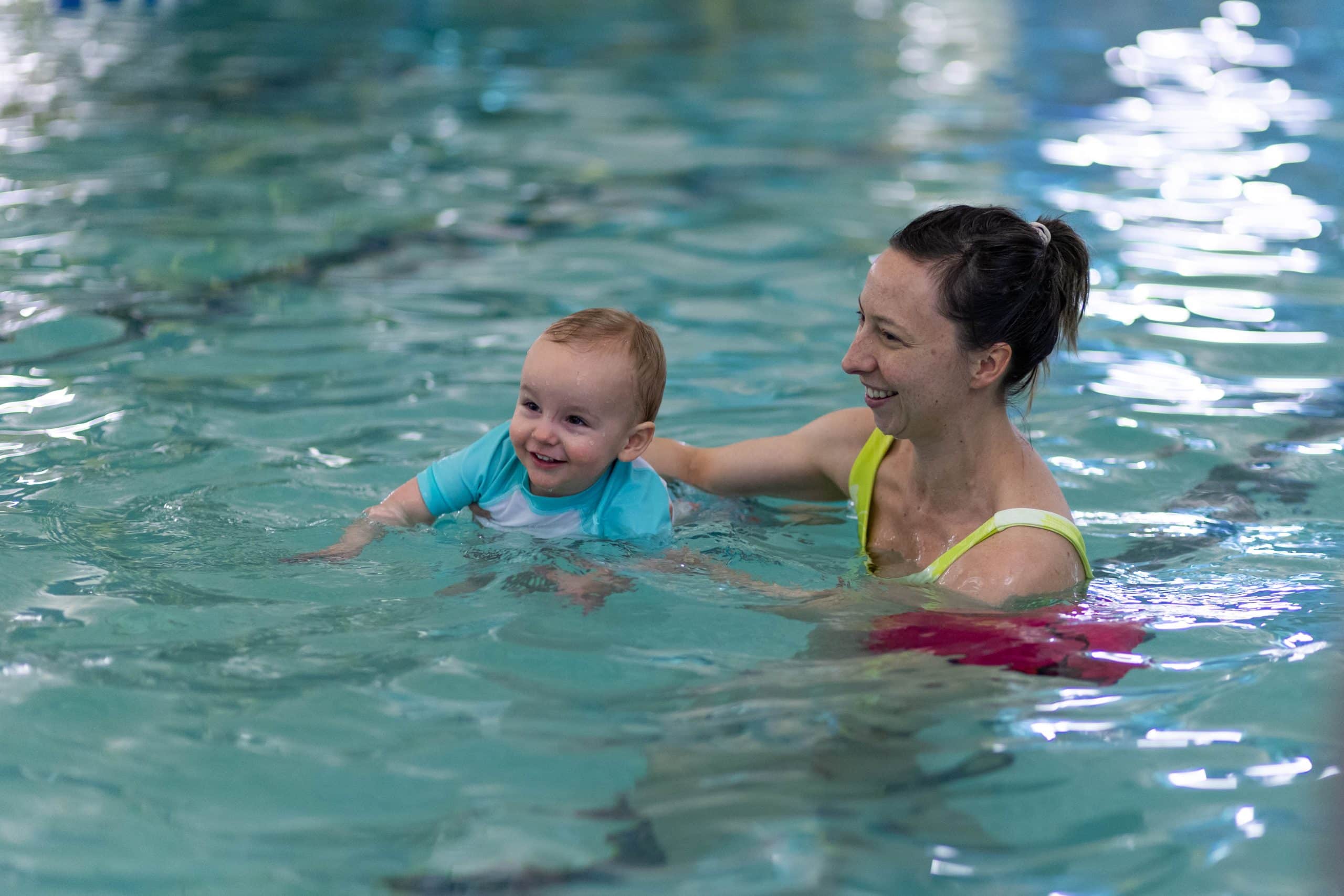
You’re fresh from a morning swim at your local YMCA. Your evenings are protected for family dinners or hobbies. You’ve just hosted a small get-together with friends. You feel strong in your body, calm in your mind, connected to others, and proud of your creative side.
This version of you is not a wish, it’s the result of choices you make today.
2. Reverse-Engineer Your Goals
Step 1: Draft a simple “I am” statement
Don’t worry about getting it perfect. Just describe the kind of person you’d like to be.
Example:
“I’m an active person who swims at my local YMCA once a week, leaves work on time, prioritizes my mental health, and enjoys my friends and hobbies.”
Step 2: Pick a few small, weekly actions
You don’t need to do everything at once. Trying to change every area of your life at the same time usually leads to burnout or quitting altogether. Instead, choose one to two roles to focus on first. Pick areas that feel most relevant or easiest to start, and let small wins build momentum before adding more.
Mover
- Aim for a daily walk or just moving a little more than you do now.
- Try visiting the YMCA once a week for a swim or a class.
Boundary-Keeper
- Choose a “log off” time for a few nights a week to protect your evenings.
Connector
- Reach out to a friend (a text, a call, or a coffee invite).
- Say hello to someone new at a YMCA event.
Creator
- Set aside 20 to 30 minutes a week just for you and your hobby.
Support-Seeker
- Check in with a supportive friend, mentor, or therapist when you need it.
- Jot down a few thoughts in a journal before bed.
3. Build Simple Systems
Start with what you can control, your daily choices, rather than fixating on outcomes like weight lost or numbers on a scale.
- Plan your grocery list around protein and plants.
- Book your YMCA classes or swim lanes in advance so they are on your calendar.
- Decide a rough bed and wake time that works for you.
- Schedule your hobby time and friend catchups so they don’t get pushed aside.
When your systems match your identity, the results follow naturally.
Example: Get Healthy and Mobile
Goal: Build a consistent routine by testing these ideas.
This section is about experimentation, not perfection. By trying small, manageable changes, you learn what fits your body, schedule, and season of life. Over time, those small tests turn into a routine you can sustain without burnout.
1. Check Your Safety and Starting Point
If you have health concerns, talk to your doctor first. It can be helpful to record your current step count or energy levels just to see where you are starting.
2. Four Daily Basics to Experiment With
You don’t have to hit all these every day. Pick one or two to focus on this week:
- Move: Try adding a short walk to your day, or aim for 3,000 to 5,000 steps if that feels right.
- Eat: Experiment with filling half your plate with vegetables, a quarter with protein, and a quarter with whole grains.
- Drink: Carry a water bottle and see if you can finish two before lunch.
- Sleep: Try going to bed and waking up at similar times to help your body’s rhythm.
3. Cardio Ideas (Pick Your Pace)
- Idea 1: Try three 25 to 35-minute sessions at a comfortable pace, like walking, water aerobics, or YMCA cycling.
- Idea 2: Mix it up with two steady workouts and one session that adds variety, such as intervals, hills, or a faster pace.
- Idea 3: Use group workouts for motivation or have a personal training session you enjoy for focus or recovery.
4. Explore Group Classes
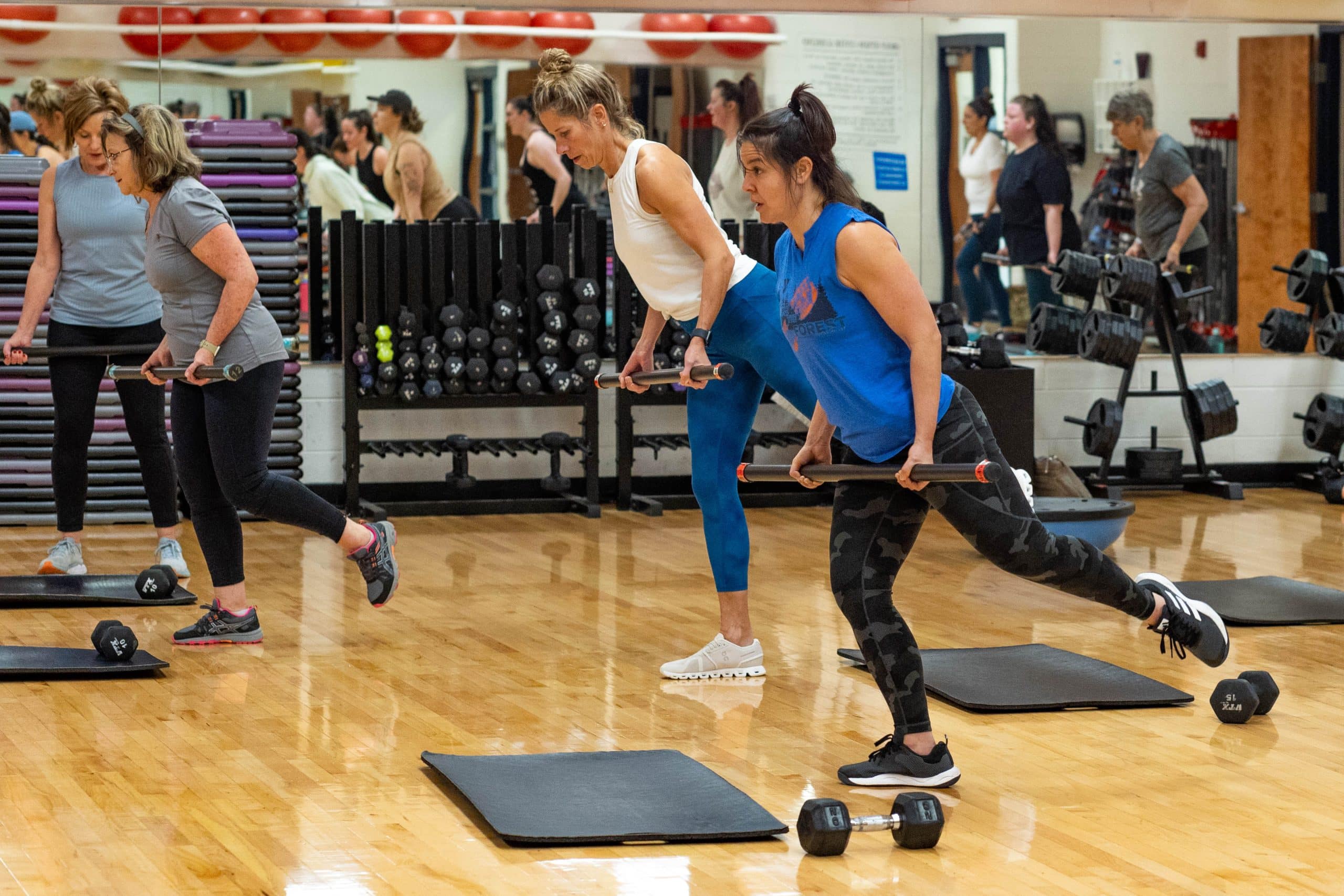
If you enjoy being around others, try a YMCA group training class. If you find one you like, consider booking the same slot each week to make it a habit.
5. Simple Nutrition Swaps
Instead of counting calories, you might try the Healthy Eating Plate approach. Consider swapping soda for sparkling water, or simply enjoying one treat per weekend event without guilt.
6. Celebrate Non-Scale Wins
Pay attention to the little things: how your clothes fit, if you have more energy in the afternoons, or if climbing stairs feels easier than it used to.
Goal Idea: Improve Work–Life Synergy
Goal: Let work energize life, and life fuel work.
Instead of treating work and life as competing forces, this goal focuses on helping them support each other. When your workday includes movement, creativity, and clear boundaries, you bring more energy home. When your life outside work is full and restorative, you show up to work more focused, patient, and effective.
Life rarely feels perfectly balanced. Instead of chasing an ideal split between work and life, focus on simple habits that help your energy flow in both directions.
Know Your Energy Patterns
- Notice when you feel most focused and alert during the day.
- Schedule your hardest or most important work during those high-energy times.
Build Daily Momentum
- Add short movement breaks to reset your body and mind.
- Use simple pauses like stretching, breathing, or hydration to avoid mental fatigue.
Protect Your Evenings
- Choose a clear time to stop working on most days.
- Reduce digital noise by silencing nonessential notifications after work.
Bring Life Into the Workday
- Add small personal touches to your day, like journaling or light creative breaks.
- Look for easy ways to move or reset with coworkers.
Let Energy Flow Both Ways
- Use ideas or confidence from work to support personal projects.
- Notice how rest, relationships, and routines at home improve your focus at work.
Bonus: If you manage a team, model healthy boundaries and focus-friendly norms.
Goal Idea: Build Community and Connection
Goal: Feel supported and have fun with others.
Connection is not something you wait for, it’s something you build through small, repeated interactions. This section helps you create regular touchpoints with others so support, friendship, and fun become part of your normal rhythm, not an occasional bonus.
1. Join Three Circles
- Movement circle – YMCA class or neighborhood run club.
- Interest circle – A discussion group or recurring class you enjoy.
- Service circle – YMCA volunteering, local nonprofit, or mentoring.
2. Invite Twice Weekly
Send two low-pressure invites each week, like “Want to try Wednesday yoga?” Consistency matters more than always getting a yes.
3. Host a Monthly Gathering
Keep it short, 60 to 90 minutes. Think board games, potlucks, or a walk-and-talk. Recurring events build deeper bonds.
Goal Idea: Become a Creator
Goal: Finish a small project and enjoy the process.
This goal is about reclaiming creativity without pressure. By choosing a modest, time-bound project, you practice showing up consistently and finding satisfaction in progress rather than perfection. Finishing something small builds confidence to take on bigger ideas later.
1. Pick a 12-week project
Set a clear goal with an end date in March 2026. Ideas:
- Learn three songs on guitar.
- Make six ceramic bowls.
2. Two Weekly Practice Sessions
Block 45 to 60 minutes twice a week. Lay out your materials the night before. Showing up builds confidence.
3. Share Your Progress
Find a beginner’s group or a YMCA class. Weekly feedback and encouragement keep you going.
Goal Idea: Get Support and Build Resilience
Goal: Create habits for mental and emotional well-being.
Resilience grows from regular care, not crisis response alone. This section focuses on building simple, repeatable practices that help you notice how you’re doing, ask for support sooner, and steady yourself during stressful seasons.
1. Choose Your Support Menu
Options include individual therapy, group therapy, coaching, faith communities, or trusted friends.
2. Start Therapy (If You Choose)
Use your insurance. Book a 15-minute consult. Write down your goals and how often you want to meet.
3. Daily Emotional Check-In
Spend five minutes journaling: “What I feel, what I need, what I choose next.” Add gratitude notes or a quick grounding exercise.
4. Plan for Crisis
Save two emergency contacts in your phone. In the U.S., dial or text 988 for the Suicide & Crisis Lifeline. Tell someone you trust about this plan.
Common Challenges and Simple Fixes
- “I don’t have time.” Do 15 to 20-minute sessions. Treat them as non-negotiable.
- Motivation dips. Read your identity sentence, cue your favorite playlist, then start with just five minutes.
- Change one thing at a time and track non-scale wins for two weeks.
- Aim for consistency over perfection. Reset quickly and move on.
Make It Real Today
In the next 10 minutes:
- Book one YMCA class at your local YMCA
- Text a buddy to join you.
- Write down your simple “I am” sentence.
- Put your next workout on the calendar.
Your future self will thank you.
FAQ
How many classes should a beginner take each week?
Two to three YMCA classes plus walks and short stretching sessions is a great start.
Do I have to do cardio to lose weight?
Cardio helps heart health and energy. You can lose weight with solid nutrition and strength training, but choose activities you enjoy so you stick with them.
How do I balance work and kids?
Protect two personal blocks (e.g., Tue/Thu at 6 p.m. for YMCA). Do 20–30 minute sessions. Swap childcare with a friend. Guard three evenings for family time.
What if I miss a whole week?
Restart with a 10–15 minute session. Do a quick review. Adjust your backup plan. Move forward, no guilt.
Do I need a scale?
Optional. Focus on how your clothes fit, your stamina, sleep quality, mood, and consistency streaks.