How Before and After School Care Helps Families Thrive

The Essential Role of School-Age Child Care
As the school bell rings and the academic year swings into high gear, families across Central Virginia find themselves balancing tight schedules, work commitments, and the desire to see their children succeed. For many, the hours before 8:00 AM and after 3:00 PM are the most challenging to manage. This is where high-quality before and after school care becomes more than just a convenience. It serves as a vital bridge that supports a healthy spirit, mind, and body for the entire family.
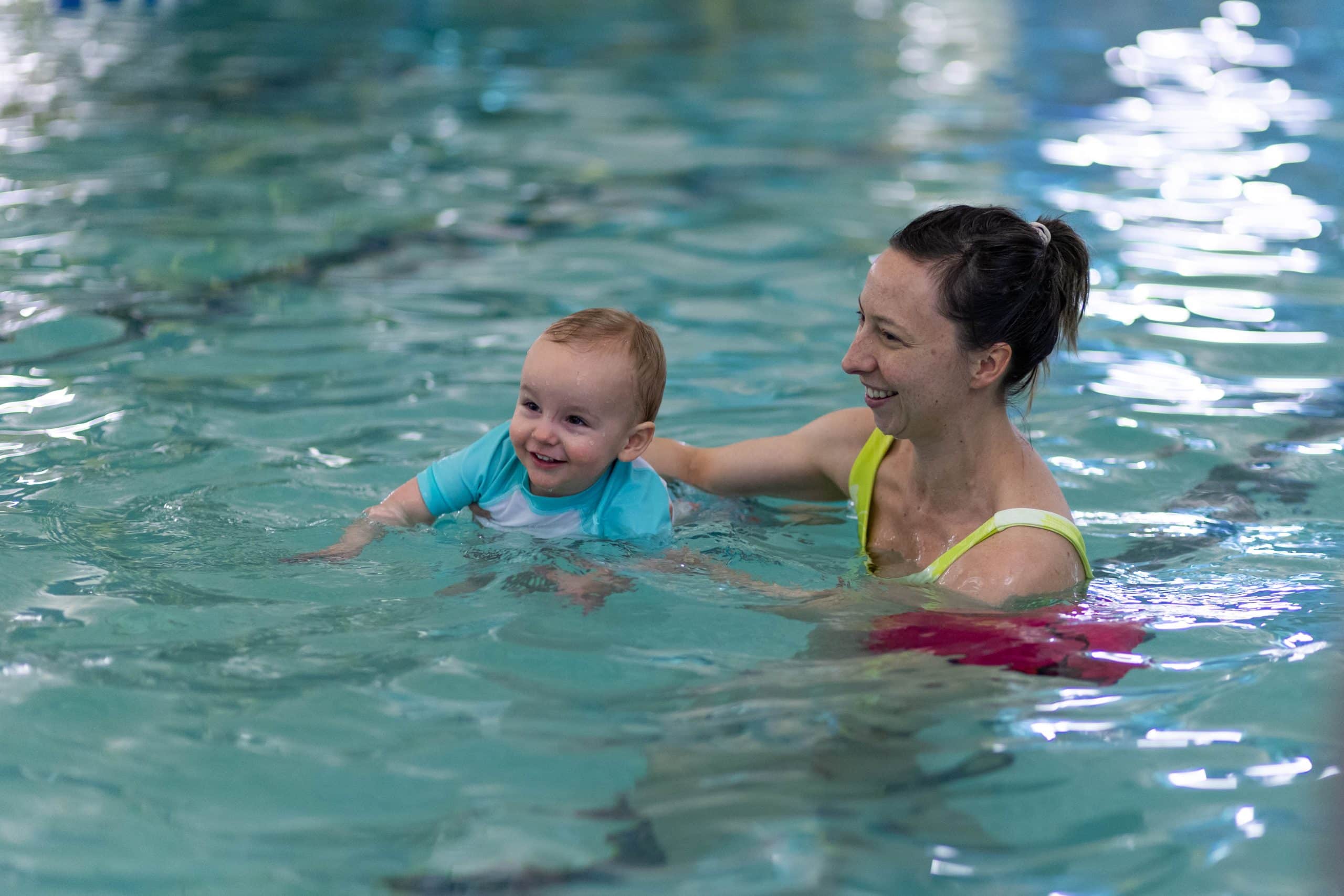
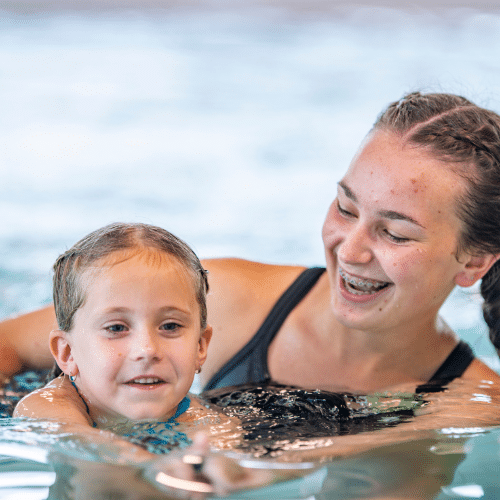
Providing a safe, inclusive environment for all children is at the heart of what we do. The modern pull of screens and isolation can often keep kids away from the active, social environments they need. By choosing a structured program, parents can swap screen time for gym time, pool activities, and lasting friendships. These programs are designed to offer a sense of belonging, ensuring that every child feels welcome regardless of their background or current abilities.
Supporting Academic Success and Social Growth
Beyond providing a safe place to stay, before and after school care offers substantial educational advantages. Research has shown that these programs are instrumental in supporting student success, particularly by reinforcing what is learned in the classroom through engaging, hands-on activities. When children have a dedicated time and space for homework and enrichment, they often return home with their tasks completed, allowing for more quality family time in the evenings.
Social and emotional learning (SEL) is another cornerstone of these programs. Interactions with peers and mentors in a less formal setting than the traditional classroom help children develop empathy, cooperation, and problem-solving skills. In fact, research indicates SEL significantly improves student performance, well-being, and their overall perception of school safety. By feeling secure and supported during these bridge hours, students gain the confidence to excel during the school day.
Enrichment activities in after school programs extend learning well beyond textbooks. Many programs incorporate STEM exploration, creative arts, music appreciation, and even basic cooking or gardening to broaden a child’s sense of curiosity and capability. These experiences give kids a chance to discover new passions and develop talents they might never encounter in a standard school curriculum. When a child finds something they genuinely love, it fuels motivation that spills over into every other area of their academic and personal life.
Health and Wellness During the School Year
A major benefit of school-age programs is the emphasis on physical activity. At a time when sedentary behavior is on the rise, having access to youth sports leagues, swimming, and gym activities ensures that kids stay moving. Recent studies on the impact of after school and summer programs highlight how these environments help combat isolation and promote long-term health habits.
In our Central Virginia locations in Lynchburg, Amherst, Appomattox, and Bedford, we see firsthand how active play transforms a child’s day. Whether it is burning off energy on the basketball court or participating in structured group games, physical movement is essential for kids to remain focused and healthy. This focus on wellness is not just about physical fitness but also about the mental clarity that comes from regular exercise and social play.
Nutrition also plays an important role in after school wellness. Many quality programs provide healthy snacks in the afternoon, bridging the gap between the school lunch period and the family dinner table. When children are properly fueled, they are better able to concentrate during homework time, participate more fully in physical activities, and regulate their emotions during peer interactions. Small nutritional habits established during childhood can lay the groundwork for lifelong healthy choices.
Mental health is increasingly recognized as an essential component of overall child wellness. Structured after school environments provide children with predictable routines and trusted adult mentors, both of which are known to reduce anxiety and build emotional resilience. When a child knows what to expect each afternoon and feels genuinely cared for by the adults around them, they are far better equipped to handle the inevitable stresses of school and growing up.
Why Quality Programs are in High Demand
For working parents, finding a reliable child care solution is often an external struggle that causes significant stress. Data from America After 3 PM shows that after school programs are in high demand because they provide a stable routine that matches the modern workday. They also make it easier for families to fit enriching experiences, such as team sports and swim lessons, into their weekly schedules.
Safety is a top priority for any parent. Knowing your child is in a licensed facility, such as our Virginia Department of Education-licensed programs at the YMCA of Central Virginia, provides immense peace of mind. These environments also prioritize healthy behaviors in after school settings, such as providing nutritious snacks and encouraging positive peer interactions. This holistic approach ensures that the child is well cared for, allowing parents to focus on their work without distraction.
The demand for quality programs also reflects a growing awareness among parents about the risks of unsupervised afternoon hours. Research has consistently shown that the period between 3:00 PM and 6:00 PM is when children are most likely to experiment with risky behaviors if left without meaningful activity and adult oversight. A well-run before and after school care program removes that vulnerability by filling those hours with purpose, connection, and structured fun. Parents who enroll their children gain far more than a logistical solution. They gain genuine confidence that their kids are safe, engaged, and thriving.
The Long-Term Value of Consistent Care
One of the most underappreciated benefits of before and after school care is the consistency it provides across the entire school year. Children who participate in the same program week after week build deeper friendships, develop stronger bonds with caring staff members, and establish routines that support their growth in measurable ways. Consistency reduces transition stress and helps children feel grounded even during busy or uncertain seasons of family life.
From a parent’s perspective, that consistency translates into reduced mental load. Rather than scrambling each week to arrange pickups, playdates, or alternative supervision, families with a reliable program in place can plan their work schedules and personal commitments with far greater confidence. Over the course of an entire school year, that reduction in daily logistical stress adds up to more energy, more patience, and more presence for the moments that matter most.
Long-term participation in quality after school enrichment programs has also been linked to improved high school graduation rates, stronger career readiness skills, and a greater sense of civic engagement. The seeds planted during those afternoon hours, through teamwork, mentorship, and skill-building, grow into lasting qualities that follow a child well into adulthood.
Building a Stronger Community for 170 Years
Quality child care and fitness should never be locked behind a premium price tag. For 170 years, we have served as a community institution in Central Virginia, dedicated to the idea that our community is only as strong as the doors it keeps open. This is why we uphold a firm commitment that no one is turned away due to an inability to pay.
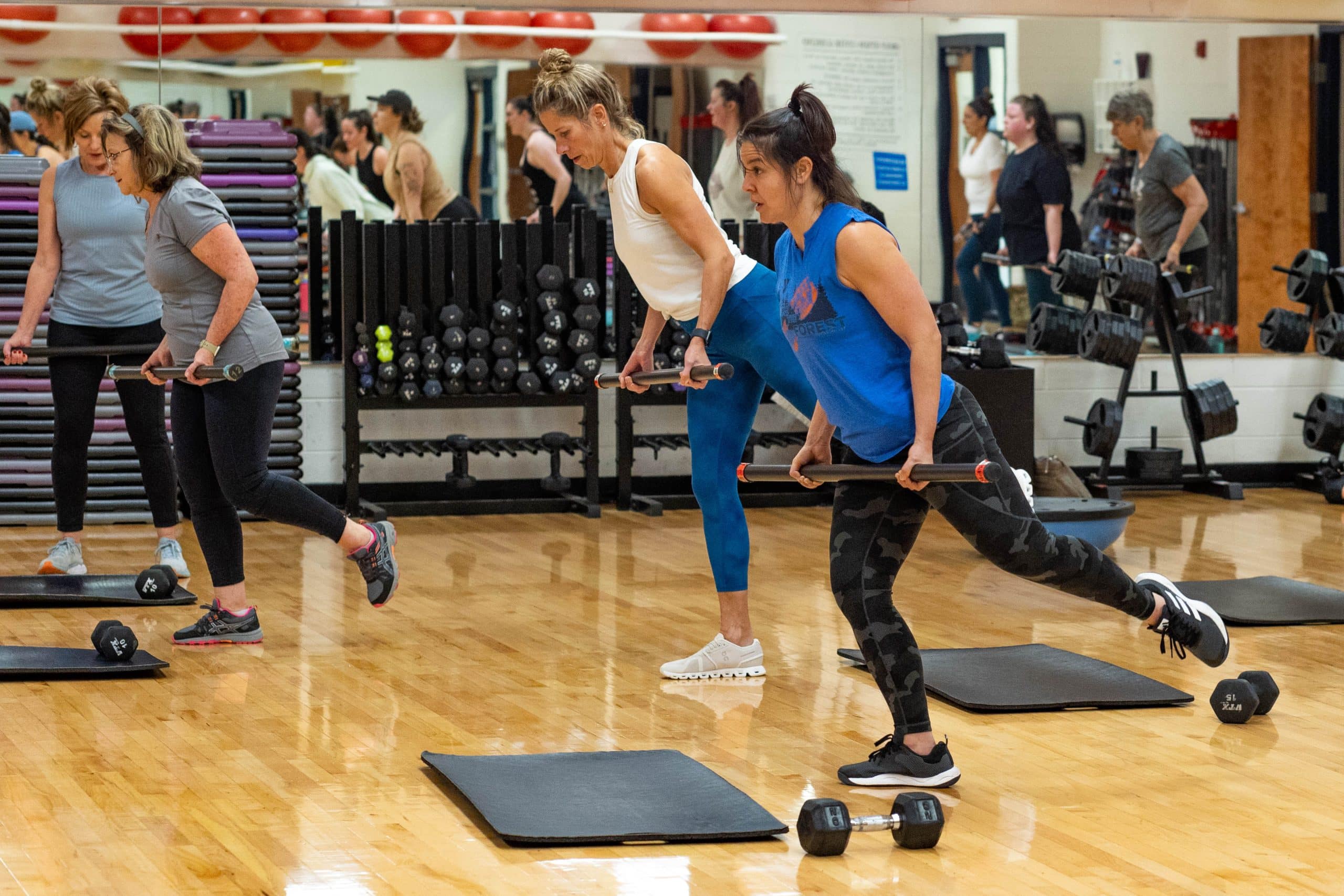
Our income-based financial assistance ensures that every family can access before & after school care, summer camps, and swim lessons. We also believe that a before and after school program serves the whole family by providing a space where everyone belongs. While kids are learning and playing, parents can take advantage of group fitness classes or our 24/7 facility options, ensuring the whole family remains healthy and connected.
Community is not just a word we use lightly. It is something we actively build every single day through the relationships formed between our staff and the families we serve. When a child grows up attending programs at the Y, they develop a sense of belonging that extends far beyond our walls. They learn that community shows up, that neighbors look out for one another, and that institutions can be trusted to care. That lesson, absorbed over years of consistent, positive experience, shapes the kind of adults and community members they will one day become.
How to Get Started with Your Family Routine
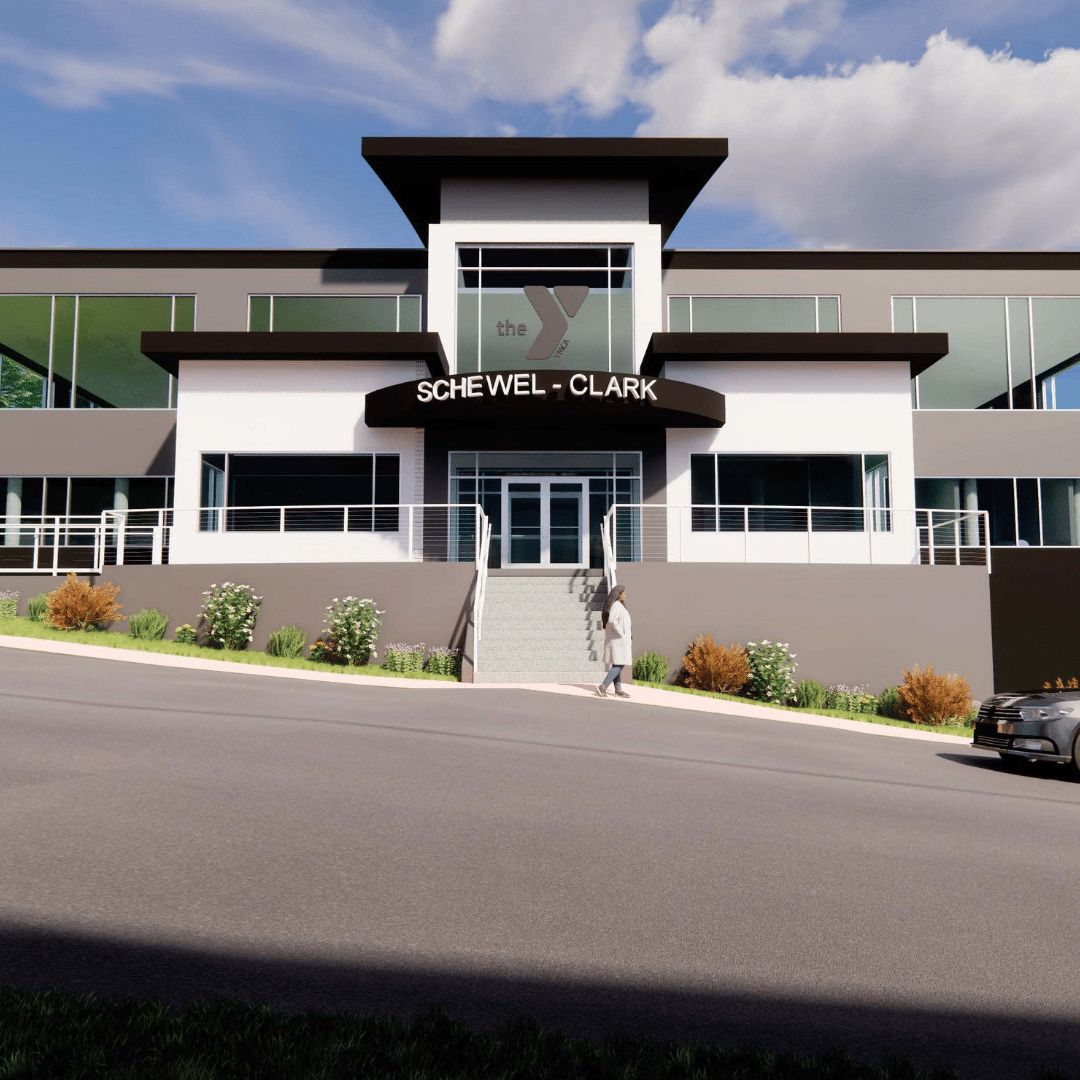
Setting up a successful back to school routine involves finding the right fit for your unique family needs. We invite you to explore our before and after school care options and see how they can transform your daily schedule. Often, the best first step is to tour a YMCA location to meet our staff and see the facilities for yourself. Our team can help you pick the right membership, explain our specialty youth programs, and walk you through the process of joining. For the latest blog updates and more family tips, visit our website.
At the YMCA of Central Virginia, we are here to support your family every step of the way. Our 170-year legacy in Lynchburg and the surrounding areas is built on serving families with empathy and care. Whether you are looking for academic support, physical activity, or just a safe place for your kids to be themselves, we are ready to welcome you. Join the Y today and ensure your children have the best environment to grow, learn, and thrive this school year.
Frequently Asked Questions
What activities are typically included in an after school program?
Most programs offer a blend of supervised homework time, physical activities like gym games or outdoor play, and social enrichment such as arts and crafts or team building exercises. The goal is to balance academic needs with the need for physical movement and fun.
Is financial assistance available for school age child care?
Yes. Guided by our mission to serve all members of the community, we offer income-based financial assistance with no application fee. This ensures that every child has access to quality care and programs regardless of their family’s ability to pay.
Are before and after school programs licensed?
Quality programs should be licensed by state authorities to ensure high standards of safety and care. Our programs, including those at the Little Scholars Academy, are licensed by the Virginia Department of Education to ensure your child is in a safe, professional environment.
How does after school care benefit working parents?
Beyond providing a safe location for children, these programs align with the typical 9-to-5 workday. This reduces the stress of school pickups and gives parents peace of mind knowing their child is engaging in productive activities rather than being isolated at home.
How do I know if a before and after school program is the right fit for my child?
Every child is different, and the best way to find the right fit is to visit a program in person. Watching how staff interact with children, observing the daily schedule, and asking about how the program handles different learning styles and social needs will give you a strong sense of whether it is the right environment. Most quality programs welcome prospective families for a tour and are happy to answer any questions you might have before you commit.
What age groups are typically served by before and after school care programs?
Most before and after school care programs serve children in kindergarten through middle school, generally ranging from ages five to thirteen. Some programs may offer specialized tracks for different age groups, ensuring that younger children and older kids each have age-appropriate activities, supervision levels, and social opportunities. It is always worth asking about specific age group structures when you tour a facility.