Why Functional Fitness is Essential for Busy Parents
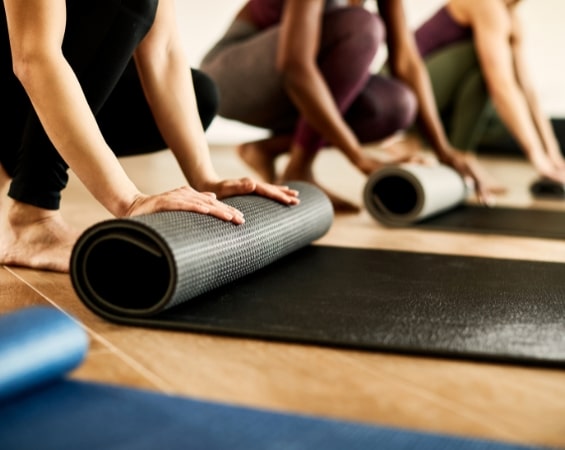
The back-to-school season offers parents a unique opportunity to reclaim their health and establish sustainable fitness routines. While children settle into new academic schedules, parents can finally focus on developing a fitness routine that works with their demanding lifestyle. Functional fitness emerges as the perfect solution, offering maximum health benefits through exercises that mirror real-life movements and activities.
Unlike traditional gym workouts that isolate specific muscle groups, functional fitness training prepares your body for everyday challenges. From lifting heavy backpacks and groceries to chasing children at the playground, these exercises build strength, stability, and endurance that directly translates to daily life. Research from Harvard Health Publishing demonstrates that functional fitness exercises significantly improve balance, coordination, and reduce fall risk, making them particularly valuable for busy parents juggling multiple responsibilities.
Understanding Functional Fitness: The Science Behind Real-World Movement
Functional fitness represents a paradigm shift in exercise philosophy, focusing on movement patterns rather than isolated muscle development. According to the Mayo Clinic, functional fitness exercises train muscles to work together, preparing them for daily tasks by simulating common movements performed at home, work, or during recreational activities.
The human body operates as an integrated system, with muscles, joints, and connective tissues working in harmony to produce efficient movement. Traditional weightlifting often disrupts this natural integration by isolating individual muscles, potentially creating imbalances that can lead to injury. Functional fitness, conversely, emphasizes compound movements that engage multiple muscle groups simultaneously, promoting better coordination and reducing injury risk.
The Centers for Disease Control and Prevention emphasizes that adults need at least 150 minutes of moderate-intensity aerobic activity weekly, combined with muscle-strengthening activities on two or more days. Functional fitness efficiently addresses both requirements through dynamic exercises that elevate heart rate while building strength across multiple muscle groups.
Research published in the Archives of Public Health reveals that adults who excel in functional fitness assessments, including grip strength, sit-to-stand tests, and single-leg stance evaluations, demonstrate significantly lower fall risk compared to those with poor functional performance. This research underscores the practical importance of functional fitness for maintaining independence and quality of life as we age.
The Back-to-School Advantage: Timing Your Fitness Transformation
The transition from summer’s chaotic schedule to the structured school year creates an ideal environment for establishing new health habits. Summer months often disrupt regular routines with vacations, camps, and irregular schedules that make consistent exercise challenging. However, the return to school brings predictable schedules that allow parents to carve out dedicated time for personal wellness.
This timing advantage extends beyond mere scheduling convenience. The psychological fresh start associated with a new school year creates powerful motivation for personal change. Just as children embrace new learning opportunities, parents can harness this energy to commit to their own growth and development through improved fitness habits.
The YMCA of Central Virginia recognizes this seasonal opportunity, offering specialized programs designed to help parents transition into sustainable fitness routines. Their group fitness classes provide structured environments where parents can learn proper functional movement techniques while building supportive community connections.
Core Principles of Functional Fitness for Parents
Functional fitness operates on several key principles that make it particularly suitable for busy parents. Understanding these principles helps ensure maximum benefit from limited exercise time while reducing injury risk and improving long-term adherence.
Movement Integration Over Isolation
Rather than focusing on individual muscles, functional exercises integrate multiple muscle groups to create coordinated movement patterns. A squat, for example, simultaneously engages the quadriceps, hamstrings, glutes, core, and stabilizing muscles throughout the body. This integration mirrors real-world activities like lifting children or rising from chairs, making the exercise immediately applicable to daily life.
Multi-Planar Movement
Daily activities rarely occur in single planes of motion. Functional fitness incorporates movements in all three planes: sagittal (forward and backward), frontal (side to side), and transverse (rotational). This comprehensive approach ensures balanced development and prepares the body for the unpredictable movement demands of parenting and daily life.
Progressive Overload with Practical Application
Functional fitness applies the principle of progressive overload through increased complexity, duration, or resistance while maintaining movement quality. Parents might progress from bodyweight squats to goblet squats, then to single-leg variations, each progression building strength while improving movement competency.
Core Stability as Foundation
Every functional movement relies on core stability to transfer force efficiently between upper and lower body segments. The YMCA of Central Virginia’s strength training programs emphasize core development as the foundation for all functional movement patterns.
Essential Functional Exercises for Busy Parents
The beauty of functional fitness lies in its accessibility and efficiency. These exercises require minimal equipment while delivering maximum benefit, making them perfect for parents with limited time and space.
The Squat: Foundation of Lower Body Function
Squats represent perhaps the most fundamental functional movement, directly translating to countless daily activities. From sitting in chairs to lifting objects from the ground, squat mechanics underpin numerous essential movements. The exercise primarily targets the quadriceps, hamstrings, and glutes while engaging core stabilizers and improving ankle mobility.
Proper squat technique begins with feet positioned slightly wider than hip-width, toes pointing slightly outward. The movement initiates by pushing the hips back and down, as if sitting into an invisible chair. The chest remains upright, knees track over toes, and weight distributes evenly across both feet. The descent continues until thighs reach parallel with the ground, then the movement reverses to return to standing.
Parents can progress squats by adding resistance through dumbbells, kettlebells, or resistance bands. Single-leg variations challenge balance and unilateral strength, while jump squats add explosive power development. The YMCA of Central Virginia’s personal training services can help parents master proper squat technique and develop appropriate progressions.
Lunges: Building Unilateral Strength and Balance
Lunges address the reality that many daily activities occur on one leg at a time. Walking up stairs, stepping over obstacles, or playing with children all require single-leg strength and stability. Lunges develop these qualities while improving hip flexibility and balance.
The basic lunge begins in a standing position, then steps one foot forward into a long stride. Both knees bend to lower the body, with the front thigh reaching parallel to the ground and the back knee approaching the floor. The front knee remains aligned over the ankle, avoiding forward drift. The movement reverses to return to the starting position, then repeats on the opposite side.
Lunge variations include reverse lunges, lateral lunges, and walking lunges, each targeting slightly different muscle groups and movement patterns. These variations ensure comprehensive lower body development while addressing the multi-directional movement demands of daily life.
Push-ups: Upper Body Integration and Core Stability
Push-ups exemplify functional upper body training by integrating chest, shoulder, and arm strength with core stability. Unlike machine-based chest exercises, push-ups require the entire body to work as a coordinated unit, closely mimicking the demands of pushing objects or supporting body weight during daily activities.
Proper push-up form begins in a plank position with hands placed slightly wider than shoulder-width. The body maintains a straight line from head to heels, engaging core muscles to prevent sagging or arching. The descent occurs by bending the elbows, lowering the chest toward the ground while maintaining body alignment. The movement reverses to return to the starting position.
Push-up modifications accommodate all fitness levels. Beginners can perform incline push-ups against a wall or elevated surface, gradually progressing to knee push-ups, then full push-ups. Advanced variations include single-arm push-ups, plyometric push-ups, or push-ups with feet elevated.
Planks: Core Foundation for All Movement
The plank serves as the foundation for core stability, teaching the body to maintain neutral spine alignment under load. This skill directly transfers to virtually every functional movement, from lifting objects to maintaining posture during long days.
Plank execution begins in a push-up position, then lowers to rest on forearms rather than hands. The body maintains a straight line from head to heels, with core muscles engaged to prevent sagging or arching. Breathing remains steady and controlled throughout the hold.
Plank progressions include side planks for lateral core strength, plank variations with limb movements, and dynamic planks that incorporate movement while maintaining core stability. These progressions ensure comprehensive core development that supports all functional movement patterns.
Creating Your Back-to-School Fitness Schedule
Successful fitness routine implementation requires realistic scheduling that accommodates the demands of family life. The key lies in identifying consistent time slots and creating flexible backup plans for inevitable schedule disruptions.
Morning Momentum Strategy
Many parents find early morning workouts most sustainable, completing exercise before family demands begin. A 20-30 minute functional fitness routine can provide significant benefits while establishing a positive tone for the entire day. The YMCA of Central Virginia offers early morning group fitness classes that accommodate parents’ schedules while providing professional instruction and community support.
Morning routines might include a circuit of squats, push-ups, planks, and lunges, performed for 30-45 seconds each with brief rest periods. This approach efficiently targets all major muscle groups while elevating heart rate for cardiovascular benefits.
School-Hour Opportunities
Once children are in school, parents gain precious uninterrupted time for focused exercise. This window allows for longer, more comprehensive workouts that might include yoga classes for flexibility and stress management or water fitness sessions for low-impact cardiovascular training.
The YMCA of Central Virginia’s diverse program offerings ensure parents can find activities that match their interests and fitness levels. From high-intensity interval training to gentle movement classes, options exist for every preference and physical capability.
Family Integration Approach
Involving children in fitness activities serves multiple purposes: modeling healthy behaviors, spending quality time together, and maintaining consistency when childcare isn’t available. Family-friendly functional exercises include partner exercises, playground workouts, and active games that disguise exercise as play.
The YMCA of Central Virginia’s youth development programs often run concurrent with adult fitness classes, allowing families to pursue wellness goals simultaneously while maintaining supervision and safety.
Overcoming Common Barriers to Exercise Consistency
Despite best intentions, parents face numerous obstacles to maintaining consistent exercise routines. Identifying these barriers and developing specific strategies to address them significantly improves long-term success rates.
Time Constraints and Competing Priorities
The perception of insufficient time represents the most cited barrier to regular exercise. However, functional fitness’s efficiency advantage means significant benefits can be achieved in remarkably short time periods. A focused 15-minute routine can provide meaningful health improvements when performed consistently.
The solution involves reframing exercise as a non-negotiable health investment rather than an optional activity. Just as parents prioritize children’s medical appointments and school activities, personal fitness deserves similar commitment and scheduling priority.
Energy Depletion and Motivation Challenges
Parenting demands can leave individuals feeling too exhausted for additional physical activity. Paradoxically, regular exercise increases energy levels by improving cardiovascular efficiency, enhancing sleep quality, and reducing stress hormones. The initial investment of energy yields substantial returns in improved vitality and resilience.
Starting with gentle activities like yoga or walking can help build the exercise habit without overwhelming already depleted energy reserves. As fitness improves, energy levels naturally increase, supporting more intensive activities.
Lack of Knowledge and Confidence
Many parents feel intimidated by fitness environments or uncertain about proper exercise techniques. This barrier can be effectively addressed through professional guidance and supportive community environments. The YMCA of Central Virginia’s coaching and personal training services provide expert instruction in a welcoming, non-judgmental atmosphere.
Group fitness classes offer additional benefits by providing structured workouts, professional instruction, and peer support. The social aspect of group exercise often enhances motivation and accountability while making workouts more enjoyable.
The Science of Stress Management Through Functional Fitness
Parenting inherently involves significant stress, from daily logistics management to long-term concerns about children’s development and well-being. Functional fitness provides powerful stress management benefits that extend far beyond physical improvements.
Exercise triggers the release of endorphins, natural mood-elevating chemicals that counteract stress hormones like cortisol. Regular physical activity also improves sleep quality, enhances cognitive function, and increases resilience to daily stressors. The CDC emphasizes that physical activity provides immediate benefits for brain health, including improved thinking and reduced anxiety.
Functional fitness offers unique stress management advantages through its emphasis on mindful movement and present-moment awareness. Unlike mindless cardio activities, functional exercises require concentration and body awareness, creating a meditative quality that promotes mental clarity and emotional regulation.
Building Long-Term Success Through Community Support
Sustainable fitness habits rarely develop in isolation. Community support, professional guidance, and social accountability significantly improve long-term adherence and success rates. The YMCA of Central Virginia exemplifies this community-centered approach to wellness, providing not just facilities and programs but a supportive environment where families can thrive.
Research consistently demonstrates that individuals who exercise with others maintain higher consistency rates than those who exercise alone. Group fitness classes provide built-in accountability, social interaction, and professional instruction that enhance both safety and effectiveness.
The YMCA’s family wellness programs recognize that health improvements benefit entire families, not just individuals. When parents model healthy behaviors and prioritize wellness, children naturally adopt similar values and habits.
Nutrition Integration for Optimal Results
Functional fitness results are significantly enhanced when combined with appropriate nutrition strategies. However, busy parents need practical, sustainable approaches rather than complex dietary protocols that add stress to already demanding schedules.
The foundation of effective nutrition for active parents involves consistent meal timing, adequate hydration, and balanced macronutrient intake. Rather than restrictive dieting, focus on adding nutrient-dense foods that support energy levels and recovery from exercise.
Pre-exercise nutrition should provide easily digestible carbohydrates for energy without causing digestive discomfort. Post-exercise nutrition should include both carbohydrates for glycogen replenishment and protein for muscle recovery and adaptation.
The YMCA of Central Virginia’s wellness resources include nutrition guidance that complements their fitness programs, ensuring members receive comprehensive support for their health goals.
Technology Integration and Progress Tracking
Modern technology offers powerful tools for enhancing functional fitness routines and maintaining motivation through progress tracking. However, the key lies in selecting simple, sustainable approaches that enhance rather than complicate the exercise experience.
Fitness tracking apps can provide workout structure, progress monitoring, and motivational feedback. However, avoid becoming overly dependent on technology or allowing tracking to become a source of stress rather than motivation.
The YMCA of Central Virginia incorporates modern fitness technology, including their eGym equipment, which automatically adjusts resistance and tracks progress while providing engaging, efficient workouts.
Seasonal Adaptations and Year-Round Consistency
Maintaining fitness consistency throughout the school year requires adapting routines to accommodate seasonal changes, holiday disruptions, and varying family schedules. Successful parents develop flexible approaches that maintain core habits while allowing for necessary modifications.
Fall routines might emphasize building strength and establishing habits as schedules stabilize. Winter adaptations could focus on indoor activities and mood-supporting exercises during shorter daylight hours. Spring brings opportunities for outdoor activities and renewed motivation, while summer requires flexibility to accommodate vacation schedules and camp logistics.
The YMCA of Central Virginia’s year-round programming ensures consistent access to fitness resources regardless of seasonal changes or schedule variations. Their diverse offerings allow members to maintain engagement through program variety and seasonal adaptations.
Frequently Asked Questions
How much time do I need to dedicate to functional fitness to see results?
Significant health benefits can be achieved with as little as 15-20 minutes of functional fitness training, 3-4 times per week. The key is consistency rather than duration. Short, regular sessions are more effective than sporadic longer workouts. As your fitness improves and schedule allows, you can gradually increase session length or frequency.
Can I do functional fitness exercises at home without equipment?
Absolutely! Many of the most effective functional exercises use only bodyweight resistance. Squats, lunges, push-ups, planks, and various core exercises require no equipment while providing comprehensive fitness benefits. As you progress, simple additions like resistance bands or dumbbells can increase challenge and variety.
Is functional fitness safe for beginners or people with previous injuries?
Functional fitness is generally very safe when performed with proper technique and appropriate progressions. The emphasis on natural movement patterns actually reduces injury risk compared to traditional weightlifting. However, individuals with previous injuries or health concerns should consult healthcare providers and consider working with qualified fitness professionals initially.
How do I know if I’m doing functional exercises correctly?
Proper form is crucial for both safety and effectiveness. Start with basic movements and focus on quality over quantity. Consider taking group fitness classes or working with a personal trainer initially to learn correct techniques. The YMCA of Central Virginia offers both options with qualified instructors who can provide personalized guidance.
What’s the difference between functional fitness and regular gym workouts?
Traditional gym workouts often isolate specific muscles using machines or weights, while functional fitness emphasizes compound movements that engage multiple muscle groups simultaneously. Functional exercises mirror real-life activities, making them more practical and applicable to daily tasks. Both approaches have value, but functional fitness offers greater efficiency and real-world application.
How can I stay motivated when my schedule gets disrupted?
Flexibility is key to long-term success. Develop backup plans for common disruptions, such as shorter home workouts when you can’t get to the gym. Focus on maintaining the habit even if individual sessions are modified. Remember that some activity is always better than none, and consistency matters more than perfection.
Can functional fitness help with back pain and posture problems?
Yes, functional fitness can be very beneficial for addressing back pain and posture issues. The emphasis on core strength, proper movement patterns, and balanced muscle development helps correct imbalances that contribute to pain and poor posture. However, persistent pain should be evaluated by healthcare professionals before beginning any exercise program.
How do I involve my children in my fitness routine?
Children can participate in modified versions of many functional exercises, turning fitness into family time. Playground workouts, nature walks, active games, and partner exercises are all great options. The YMCA of Central Virginia offers family-friendly programs and childcare services that allow parents to exercise while children participate in age-appropriate activities.
What should I do if I hit a plateau in my progress?
Plateaus are normal parts of the fitness journey. Combat them by varying your routine, increasing exercise complexity, adjusting rest periods, or trying new activities. The YMCA’s diverse program offerings make it easy to add variety and challenge to your routine. Sometimes plateaus indicate the need for additional recovery time rather than more intense exercise.
How do I balance functional fitness with other activities my family enjoys?
The beauty of functional fitness is its complement to other activities rather than competition with them. Improved strength, balance, and endurance enhance performance in sports, outdoor activities, and family adventures. View functional fitness as the foundation that makes all other activities more enjoyable and sustainable.
Ready to transform your health this school year? The YMCA of Central Virginia is here to support your journey with expert guidance, diverse programs, and a welcoming community. Join today and discover how functional fitness can enhance every aspect of your busy life. Your family’s healthiest year starts now!